UH OH!!!
FBA/NATIVEBLACKAMERICAN
MEET...
BITS 'N PIECES
ODDS 'N ENDS
NEXT...?
SERIOUS STUFF...
...you tell me...
ASSHOLES EVERY DAMN WHERE
ALL FOOTBALL!...
LEGACYNATIVEBLACKAMERCANS
PERSONAL APPRECIATION
WARNING: RAW WAR IMAGES
FAIR DINKUM?
MY MAN ELON...
SPORTS/FOOTBALL
STEELERS/FOOTBALL/SPORTS
ALLAMERICANDRAFTPARTY.COM
SHOCKED!...BUT--
AMERICANDRAFTPARTY?
BLACKAMERICANVAMPIRE.COM
WHAT IF...
PORCH-SWING AMERICA
HUMAN BEINGS BEING HUMAN
WAKE UP AMERICA!!!
PURE EVIL
'Need Say No More...
DummyView.com
HUMAN BEINGS BEING ?
EXTEMPORANEOUS
CALLED THE SHOT FROPM GIT
A WRITER
BLACKSTAR13(CLASSIFIED)
BLACKSTAR13.com
MY PEOPLE...
ANCESTOR TIMELINE
DAILY RHETORICAL?
WATCH...WATCH...WATCH...
EVERY DAMN DAY
WOW...
WELL WORTH TIME
HEADS UP...
WHY NOT...
...who ARE these people...
PLAY IT LOUD 1 TIME...
FINALLY!FINALLY!FINALLY!!!
SOLUTION?
CHEAPTALES.COM
USA "NEEDS" an RFKJR
WHAT THE HELL?...
...WHAT DO "YOU" THINK?..
A "MUST"...
SPEAKS FOR ITSELF
KENNEDY FOR PRESIDENT
PERSPECTIVES
LISTNIN 2ALL TRYN2UNDRSTAN
BLACK STAR 13
HOGWASH&PEARLS
AMERICAN DIFFERENCE MAKER
ROSKKOJONES
ROSKKO SPORTS BREAK
BEST OF "AMERICA"...
IMPULSE
1ManFlix.com
ROSKKO
ALL BALL '23
YES...
OLMAN...
BLACK CAN LEARN FROM JEWS
SUMMER'S SKIES/HALF MOON BAY
PERSONAL
WellWorthTheTime
SIGNIFYIN' MONKEY MEDIA
SIG MO ME
BLACK LIVES MATTER SUCKS
God's Wicked Sense of Irony
...meantime...
NativeBlackAmerican Real Talkin'
archives 2021
NATIVE BLACK AMERICAN ORIGINAL MENU
NATIVE BLACK
CONTROVERSIAL, NO DOUBT...BUT...
RANDOM...
RODNEY GLEN KING PAGE
ON VACATION
MAYBE YOU CAN FIGURE IT OUT; I DON'T KNOW WHAT THE HELL TO THINK
WHEN WILL HUMANS STOP FOLLOWING SOME OF THE WORST AMONG US
WORLD WAR CHESS
NativeBlackAmericanTv
ALL OVER BUT THE SHOUT?
TRAIL-LEADERS
WHAT DOES THIS MEAN?
DONT AGREE ALL BUT GOTDAYAM!
1MANFLIX
MISCELLANEOUS MEANDERING
NATIVE BLACK AMERICAN ANCESTORS DAY
AFRICA--CHINA "WAS" THE SLEEPING GIANY
EXTEMPORANEOUS X369
PERSONAL REFLECTIONS
FuturePresentPast
DON'T SHOOT THE MESSENGER
BIGGER PICTURE ICONS
The Art of The Trumpster
"CENSORSHIP EDGE"
ALL AMERICAN DRAFT PARTY
HE'S STILL A KENNEDY
CORDEL'S BACK! PRES 2024
AMERICAN DUMMY
HUH?
FOR BLACK FOLKS ONLY
WALKER BETTERTHAN WARNOCK
MAGATV
BLACK13 - in progress
LOOSETALK JONES; "LOOSE"
JUDGE FO' YOSELF' NOV/DEC 21
archive "smorgasbord"
RANDM GOT MY ATTENTION STUFF
ON HOLD
CAM NEWTON PAGE
999B42022
KEEP THE FAITH, BABY
CULLUD FOLK TALKIN' 'BOUT IT
NEGROES IN HOLLYWOOD JUNGLE
POLITICAL TIGHT-ROPIN'
FOR A "HOT MINUTE"...
INSIGHTS
POLITICS/COMMENTARY/ATTITUDE
BLACKAMTV
MY KINDA BLACK
BLACK FOLK/SPLIBS/NEGROES/US'S
TRUMP
2023 MENU
DAMMIT AMERICA! WAKE THE HELL UP!
USA/ISRAEL/JEWS/GAZA
VAMPIRE "CHICK" TRIPPIN'
EXTEMPORANEOUS V369
EXTEMPORANEOUS Z369
ABOVE ALL ELSE
NERO PROGRESS
ANCESTORS DAY, DECEMBER 12
CAUGHT MY ATTENTION...
Native Black American Vampire
BREAK-TIME...
LISTENING...
PERSONAL REVISITS
robots & dummies...
WE CAN DO BETTER
MORE HYPE DANGER THAN ACTUAL
AI NIGHTMARES
FIND THE DAMN OFFRAMP!
BETTER THAN OWNED MEDIA 2021
MOMENTS...
LOOSETALK JONES
DA GORILLA, DUMMY, AND THE ALIEN
MY PEOPLE, MY PEOPLE... YOU GOTS TO SEE DIS...
MOVIE PROJECTS WORKING ON
Links To Excellence
ADAM POWELL lll
LEGACY
CURRENTS-AUG-OCT 2019
LEGACY GREEN WEENIE-OKEYDOKED...
LOOSETALK.COM
VAL DEMINGS VP WRITE-IN PAGE
EMHOFF BACKGROUND INFO
PRACTICE PAGE
GOOD-BAD-UGLY & "CURIOUS"
"I'M WITH SMOKEY" - 2021
OF THOSE OFFERED 4 PRESIDENT
40Acres+1Mule
NBATRIBE.COM
BeforeTheMayflower
NativeBlackAmerican
SweatEquityGang
BlackFoundationalists
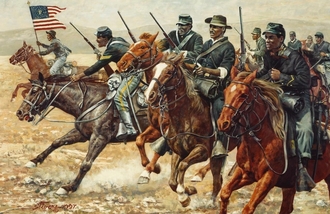
BuffaloSoldiers
NatTurner
HarrietTubman
FrederickDouglass
CURRENTS
EDITOR PERSONAL NOTE
Trotter
HOME
List of those who prefer "Black American" to "African American"
PROGRAMS
Original Programming
"BIG CHANGE" AUDITION SIDES
DUMMYWORLD
BlackAm Folks We Owe
Links
Black Americans Who Refuse to refer to Selves as African American
Today Talented Tenth
Donate
Employment
Sales Promotions
Admissions and Enrollment
Testimonials
PERSONAL INTEREST
Services
Contact Us
A BlackAm Thang
ARCHIVE ATTIC
ALWAYS NIGHT
CHEAPTALES
HOME COOKIN'
OF INTEREST
Experimental Fun!
WELCOME TO DUMMYWORLD
LooseReplace
Production
REELBLACK MOVIES LINK
WASLEGACY
...HOLD EVERYTHING!!!
AIN'T "BIDEN'S BLACK"'
DA GORILLA, DUMMY & ALIEN
REAL
JERRY'S SKIES
Us
WHY WON'T VOTE BIDEN/HARRIS
AMERICA FLEECED ON OBAMA'S WATCH
13 STAR AMERICANS
WHY NO BIDEN/HARRIS
ARCHIVED 7-26-2020
MIKE D'S: REELBLACKTV
DEMINGS BOTTOMS WARREN
BULLSHIT IS BULLSHIT
night
BLACKSTAR
CARL...A BUDDY
BLACKAMERICANTV UNDER RECONSTRUCTION
OLMAN-SONGS OF MY TIME
MY KINDA "HUMAN"
"THE GREATEST" 6891224
MY KINDA JEWS
DEEP-ROOT NATIVE BLACK AMERICAN
NATIVE/FOUNDATIONAL BLACK AMERICAN
FOOTBALL
Coffee
UH OH!!!
FBA/NATIVEBLACKAMERICAN
MEET...
BITS 'N PIECES
ODDS 'N ENDS
NEXT...?
SERIOUS STUFF...
...you tell me...
ASSHOLES EVERY DAMN WHERE
ALL FOOTBALL!...
LEGACYNATIVEBLACKAMERCANS
PERSONAL APPRECIATION
WARNING: RAW WAR IMAGES
FAIR DINKUM?
MY MAN ELON...
SPORTS/FOOTBALL
STEELERS/FOOTBALL/SPORTS
ALLAMERICANDRAFTPARTY.COM
SHOCKED!...BUT--
AMERICANDRAFTPARTY?
BLACKAMERICANVAMPIRE.COM
WHAT IF...
PORCH-SWING AMERICA
HUMAN BEINGS BEING HUMAN
WAKE UP AMERICA!!!
PURE EVIL
'Need Say No More...
DummyView.com
HUMAN BEINGS BEING ?
EXTEMPORANEOUS
CALLED THE SHOT FROPM GIT
A WRITER
BLACKSTAR13(CLASSIFIED)
BLACKSTAR13.com
MY PEOPLE...
ANCESTOR TIMELINE
DAILY RHETORICAL?
WATCH...WATCH...WATCH...
EVERY DAMN DAY
WOW...
WELL WORTH TIME
HEADS UP...
WHY NOT...
...who ARE these people...
PLAY IT LOUD 1 TIME...
FINALLY!FINALLY!FINALLY!!!
SOLUTION?
CHEAPTALES.COM
USA "NEEDS" an RFKJR
WHAT THE HELL?...
...WHAT DO "YOU" THINK?..
A "MUST"...
SPEAKS FOR ITSELF
KENNEDY FOR PRESIDENT
PERSPECTIVES
LISTNIN 2ALL TRYN2UNDRSTAN
BLACK STAR 13
HOGWASH&PEARLS
AMERICAN DIFFERENCE MAKER
ROSKKOJONES
ROSKKO SPORTS BREAK
BEST OF "AMERICA"...
IMPULSE
1ManFlix.com
ROSKKO
ALL BALL '23
YES...
OLMAN...
BLACK CAN LEARN FROM JEWS
SUMMER'S SKIES/HALF MOON BAY
PERSONAL
WellWorthTheTime
SIGNIFYIN' MONKEY MEDIA
SIG MO ME
BLACK LIVES MATTER SUCKS
God's Wicked Sense of Irony
...meantime...
NativeBlackAmerican Real Talkin'
archives 2021
NATIVE BLACK AMERICAN ORIGINAL MENU
NATIVE BLACK
CONTROVERSIAL, NO DOUBT...BUT...
RANDOM...
RODNEY GLEN KING PAGE
ON VACATION
MAYBE YOU CAN FIGURE IT OUT; I DON'T KNOW WHAT THE HELL TO THINK
WHEN WILL HUMANS STOP FOLLOWING SOME OF THE WORST AMONG US
WORLD WAR CHESS
NativeBlackAmericanTv
ALL OVER BUT THE SHOUT?
TRAIL-LEADERS
WHAT DOES THIS MEAN?
DONT AGREE ALL BUT GOTDAYAM!
1MANFLIX
MISCELLANEOUS MEANDERING
NATIVE BLACK AMERICAN ANCESTORS DAY
AFRICA--CHINA "WAS" THE SLEEPING GIANY
EXTEMPORANEOUS X369
PERSONAL REFLECTIONS
FuturePresentPast
DON'T SHOOT THE MESSENGER
BIGGER PICTURE ICONS
The Art of The Trumpster
"CENSORSHIP EDGE"
ALL AMERICAN DRAFT PARTY
HE'S STILL A KENNEDY
CORDEL'S BACK! PRES 2024
AMERICAN DUMMY
HUH?
FOR BLACK FOLKS ONLY
WALKER BETTERTHAN WARNOCK
MAGATV
BLACK13 - in progress
LOOSETALK JONES; "LOOSE"
JUDGE FO' YOSELF' NOV/DEC 21
archive "smorgasbord"
RANDM GOT MY ATTENTION STUFF
ON HOLD
CAM NEWTON PAGE
999B42022
KEEP THE FAITH, BABY
CULLUD FOLK TALKIN' 'BOUT IT
NEGROES IN HOLLYWOOD JUNGLE
POLITICAL TIGHT-ROPIN'
FOR A "HOT MINUTE"...
INSIGHTS
POLITICS/COMMENTARY/ATTITUDE
BLACKAMTV
MY KINDA BLACK
BLACK FOLK/SPLIBS/NEGROES/US'S
TRUMP
2023 MENU
DAMMIT AMERICA! WAKE THE HELL UP!
USA/ISRAEL/JEWS/GAZA
VAMPIRE "CHICK" TRIPPIN'
EXTEMPORANEOUS V369
EXTEMPORANEOUS Z369
ABOVE ALL ELSE
NERO PROGRESS
ANCESTORS DAY, DECEMBER 12
CAUGHT MY ATTENTION...
Native Black American Vampire
BREAK-TIME...
LISTENING...
PERSONAL REVISITS
robots & dummies...
WE CAN DO BETTER
MORE HYPE DANGER THAN ACTUAL
AI NIGHTMARES
FIND THE DAMN OFFRAMP!
BETTER THAN OWNED MEDIA 2021
MOMENTS...
LOOSETALK JONES
DA GORILLA, DUMMY, AND THE ALIEN
MY PEOPLE, MY PEOPLE... YOU GOTS TO SEE DIS...
MOVIE PROJECTS WORKING ON
Links To Excellence
ADAM POWELL lll
LEGACY
CURRENTS-AUG-OCT 2019
LEGACY GREEN WEENIE-OKEYDOKED...
LOOSETALK.COM
VAL DEMINGS VP WRITE-IN PAGE
EMHOFF BACKGROUND INFO
PRACTICE PAGE
GOOD-BAD-UGLY & "CURIOUS"
"I'M WITH SMOKEY" - 2021
OF THOSE OFFERED 4 PRESIDENT
40Acres+1Mule
NBATRIBE.COM
BeforeTheMayflower
NativeBlackAmerican
SweatEquityGang
BlackFoundationalists
BuffaloSoldiers
NatTurner
HarrietTubman
FrederickDouglass
CURRENTS
EDITOR PERSONAL NOTE
Trotter
HOME
List of those who prefer "Black American" to "African American"
PROGRAMS
Original Programming
"BIG CHANGE" AUDITION SIDES
DUMMYWORLD
BlackAm Folks We Owe
Links
Black Americans Who Refuse to refer to Selves as African American
Today Talented Tenth
Donate
Employment
Sales Promotions
Admissions and Enrollment
Testimonials
PERSONAL INTEREST
Services
Contact Us
A BlackAm Thang
ARCHIVE ATTIC
ALWAYS NIGHT
CHEAPTALES
HOME COOKIN'
OF INTEREST
Experimental Fun!
WELCOME TO DUMMYWORLD
LooseReplace
Production
REELBLACK MOVIES LINK
WASLEGACY
...HOLD EVERYTHING!!!
AIN'T "BIDEN'S BLACK"'
DA GORILLA, DUMMY & ALIEN
REAL
JERRY'S SKIES
Us
WHY WON'T VOTE BIDEN/HARRIS
AMERICA FLEECED ON OBAMA'S WATCH
13 STAR AMERICANS
WHY NO BIDEN/HARRIS
ARCHIVED 7-26-2020
MIKE D'S: REELBLACKTV
DEMINGS BOTTOMS WARREN
BULLSHIT IS BULLSHIT
night
BLACKSTAR
CARL...A BUDDY
BLACKAMERICANTV UNDER RECONSTRUCTION
OLMAN-SONGS OF MY TIME
MY KINDA "HUMAN"
"THE GREATEST" 6891224
MY KINDA JEWS
DEEP-ROOT NATIVE BLACK AMERICAN
NATIVE/FOUNDATIONAL BLACK AMERICAN
FOOTBALL
Coffee
NativeBlackAmericanTv.com
FBA
DELINE
ATION
IS LONG OVERDUE...
"THEY" AIN'T US-AND "WE" AIN'T "THEM".
UH OH!!!
FBA/NATIVEBLACKAMERICAN
MEET...
BITS 'N PIECES
ODDS 'N ENDS
NEXT...?
SERIOUS STUFF...
...you tell me...
ASSHOLES EVERY DAMN WHERE
ALL FOOTBALL!...
LEGACYNATIVEBLACKAMERCANS
PERSONAL APPRECIATION
WARNING: RAW WAR IMAGES
FAIR DINKUM?
MY MAN ELON...
SPORTS/FOOTBALL
STEELERS/FOOTBALL/SPORTS
ALLAMERICANDRAFTPARTY.COM
SHOCKED!...BUT--
AMERICANDRAFTPARTY?
BLACKAMERICANVAMPIRE.COM
WHAT IF...
PORCH-SWING AMERICA
HUMAN BEINGS BEING HUMAN
WAKE UP AMERICA!!!
PURE EVIL
'Need Say No More...
DummyView.com
HUMAN BEINGS BEING ?
EXTEMPORANEOUS
CALLED THE SHOT FROPM GIT
A WRITER
BLACKSTAR13(CLASSIFIED)
BLACKSTAR13.com
MY PEOPLE...
ANCESTOR TIMELINE
DAILY RHETORICAL?
WATCH...WATCH...WATCH...
EVERY DAMN DAY
WOW...
WELL WORTH TIME
HEADS UP...
WHY NOT...
...who ARE these people...
PLAY IT LOUD 1 TIME...
FINALLY!FINALLY!FINALLY!!!
SOLUTION?
CHEAPTALES.COM
USA "NEEDS" an RFKJR
WHAT THE HELL?...
...WHAT DO "YOU" THINK?..
A "MUST"...
SPEAKS FOR ITSELF
KENNEDY FOR PRESIDENT
PERSPECTIVES
LISTNIN 2ALL TRYN2UNDRSTAN
BLACK STAR 13
HOGWASH&PEARLS
AMERICAN DIFFERENCE MAKER
ROSKKOJONES
ROSKKO SPORTS BREAK
BEST OF "AMERICA"...
IMPULSE
1ManFlix.com
ROSKKO
ALL BALL '23
YES...
OLMAN...
BLACK CAN LEARN FROM JEWS
SUMMER'S SKIES/HALF MOON BAY
PERSONAL
WellWorthTheTime
SIGNIFYIN' MONKEY MEDIA
SIG MO ME
BLACK LIVES MATTER SUCKS
God's Wicked Sense of Irony
...meantime...
NativeBlackAmerican Real Talkin'
archives 2021
NATIVE BLACK AMERICAN ORIGINAL MENU
NATIVE BLACK
CONTROVERSIAL, NO DOUBT...BUT...
RANDOM...
RODNEY GLEN KING PAGE
ON VACATION
MAYBE YOU CAN FIGURE IT OUT; I DON'T KNOW WHAT THE HELL TO THINK
WHEN WILL HUMANS STOP FOLLOWING SOME OF THE WORST AMONG US
WORLD WAR CHESS
NativeBlackAmericanTv
ALL OVER BUT THE SHOUT?
TRAIL-LEADERS
WHAT DOES THIS MEAN?
DONT AGREE ALL BUT GOTDAYAM!
1MANFLIX
MISCELLANEOUS MEANDERING
NATIVE BLACK AMERICAN ANCESTORS DAY
AFRICA--CHINA "WAS" THE SLEEPING GIANY
EXTEMPORANEOUS X369
PERSONAL REFLECTIONS
FuturePresentPast
DON'T SHOOT THE MESSENGER
BIGGER PICTURE ICONS
The Art of The Trumpster
"CENSORSHIP EDGE"
ALL AMERICAN DRAFT PARTY
HE'S STILL A KENNEDY
CORDEL'S BACK! PRES 2024
AMERICAN DUMMY
HUH?
FOR BLACK FOLKS ONLY
WALKER BETTERTHAN WARNOCK
MAGATV
BLACK13 - in progress
LOOSETALK JONES; "LOOSE"
JUDGE FO' YOSELF' NOV/DEC 21
archive "smorgasbord"
RANDM GOT MY ATTENTION STUFF
ON HOLD
CAM NEWTON PAGE
999B42022
KEEP THE FAITH, BABY
CULLUD FOLK TALKIN' 'BOUT IT
NEGROES IN HOLLYWOOD JUNGLE
POLITICAL TIGHT-ROPIN'
FOR A "HOT MINUTE"...
INSIGHTS
POLITICS/COMMENTARY/ATTITUDE
BLACKAMTV
MY KINDA BLACK
BLACK FOLK/SPLIBS/NEGROES/US'S
TRUMP
2023 MENU
DAMMIT AMERICA! WAKE THE HELL UP!
USA/ISRAEL/JEWS/GAZA
VAMPIRE "CHICK" TRIPPIN'
EXTEMPORANEOUS V369
EXTEMPORANEOUS Z369
ABOVE ALL ELSE
NERO PROGRESS
ANCESTORS DAY, DECEMBER 12
CAUGHT MY ATTENTION...
Native Black American Vampire
BREAK-TIME...
LISTENING...
PERSONAL REVISITS
robots & dummies...
WE CAN DO BETTER
MORE HYPE DANGER THAN ACTUAL
AI NIGHTMARES
FIND THE DAMN OFFRAMP!
BETTER THAN OWNED MEDIA 2021
MOMENTS...
LOOSETALK JONES
DA GORILLA, DUMMY, AND THE ALIEN
MY PEOPLE, MY PEOPLE... YOU GOTS TO SEE DIS...
MOVIE PROJECTS WORKING ON
Links To Excellence
ADAM POWELL lll
LEGACY
CURRENTS-AUG-OCT 2019
LEGACY GREEN WEENIE-OKEYDOKED...
LOOSETALK.COM
VAL DEMINGS VP WRITE-IN PAGE
EMHOFF BACKGROUND INFO
PRACTICE PAGE
GOOD-BAD-UGLY & "CURIOUS"
"I'M WITH SMOKEY" - 2021
OF THOSE OFFERED 4 PRESIDENT
40Acres+1Mule
NBATRIBE.COM
BeforeTheMayflower
NativeBlackAmerican
SweatEquityGang
BlackFoundationalists
BuffaloSoldiers
NatTurner
HarrietTubman
FrederickDouglass
CURRENTS
EDITOR PERSONAL NOTE
Trotter
HOME
List of those who prefer "Black American" to "African American"
PROGRAMS
Original Programming
"BIG CHANGE" AUDITION SIDES
DUMMYWORLD
BlackAm Folks We Owe
Links
Black Americans Who Refuse to refer to Selves as African American
Today Talented Tenth
Donate
Employment
Sales Promotions
Admissions and Enrollment
Testimonials
PERSONAL INTEREST
Services
Contact Us
A BlackAm Thang
ARCHIVE ATTIC
ALWAYS NIGHT
CHEAPTALES
HOME COOKIN'
OF INTEREST
Experimental Fun!
WELCOME TO DUMMYWORLD
LooseReplace
Production
REELBLACK MOVIES LINK
WASLEGACY
...HOLD EVERYTHING!!!
AIN'T "BIDEN'S BLACK"'
DA GORILLA, DUMMY & ALIEN
REAL
JERRY'S SKIES
Us
WHY WON'T VOTE BIDEN/HARRIS
AMERICA FLEECED ON OBAMA'S WATCH
13 STAR AMERICANS
WHY NO BIDEN/HARRIS
ARCHIVED 7-26-2020
MIKE D'S: REELBLACKTV
DEMINGS BOTTOMS WARREN
BULLSHIT IS BULLSHIT
night
BLACKSTAR
CARL...A BUDDY
BLACKAMERICANTV UNDER RECONSTRUCTION
OLMAN-SONGS OF MY TIME
MY KINDA "HUMAN"
"THE GREATEST" 6891224
MY KINDA JEWS
DEEP-ROOT NATIVE BLACK AMERICAN
NATIVE/FOUNDATIONAL BLACK AMERICAN
FOOTBALL
Coffee
UH OH!!!
FBA/NATIVEBLACKAMERICAN
MEET...
BITS 'N PIECES
ODDS 'N ENDS
NEXT...?
SERIOUS STUFF...
...you tell me...
ASSHOLES EVERY DAMN WHERE
ALL FOOTBALL!...
LEGACYNATIVEBLACKAMERCANS
PERSONAL APPRECIATION
WARNING: RAW WAR IMAGES
FAIR DINKUM?
MY MAN ELON...
SPORTS/FOOTBALL
STEELERS/FOOTBALL/SPORTS
ALLAMERICANDRAFTPARTY.COM
SHOCKED!...BUT--
AMERICANDRAFTPARTY?
BLACKAMERICANVAMPIRE.COM
WHAT IF...
PORCH-SWING AMERICA
HUMAN BEINGS BEING HUMAN
WAKE UP AMERICA!!!
PURE EVIL
'Need Say No More...
DummyView.com
HUMAN BEINGS BEING ?
EXTEMPORANEOUS
CALLED THE SHOT FROPM GIT
A WRITER
BLACKSTAR13(CLASSIFIED)
BLACKSTAR13.com
MY PEOPLE...
ANCESTOR TIMELINE
DAILY RHETORICAL?
WATCH...WATCH...WATCH...
EVERY DAMN DAY
WOW...
WELL WORTH TIME
HEADS UP...
WHY NOT...
...who ARE these people...
PLAY IT LOUD 1 TIME...
FINALLY!FINALLY!FINALLY!!!
SOLUTION?
CHEAPTALES.COM
USA "NEEDS" an RFKJR
WHAT THE HELL?...
...WHAT DO "YOU" THINK?..
A "MUST"...
SPEAKS FOR ITSELF
KENNEDY FOR PRESIDENT
PERSPECTIVES
LISTNIN 2ALL TRYN2UNDRSTAN
BLACK STAR 13
HOGWASH&PEARLS
AMERICAN DIFFERENCE MAKER
ROSKKOJONES
ROSKKO SPORTS BREAK
BEST OF "AMERICA"...
IMPULSE
1ManFlix.com
ROSKKO
ALL BALL '23
YES...
OLMAN...
BLACK CAN LEARN FROM JEWS
SUMMER'S SKIES/HALF MOON BAY
PERSONAL
WellWorthTheTime
SIGNIFYIN' MONKEY MEDIA
SIG MO ME
BLACK LIVES MATTER SUCKS
God's Wicked Sense of Irony
...meantime...
NativeBlackAmerican Real Talkin'
archives 2021
NATIVE BLACK AMERICAN ORIGINAL MENU
NATIVE BLACK
CONTROVERSIAL, NO DOUBT...BUT...
RANDOM...
RODNEY GLEN KING PAGE
ON VACATION
MAYBE YOU CAN FIGURE IT OUT; I DON'T KNOW WHAT THE HELL TO THINK
WHEN WILL HUMANS STOP FOLLOWING SOME OF THE WORST AMONG US
WORLD WAR CHESS
NativeBlackAmericanTv
ALL OVER BUT THE SHOUT?
TRAIL-LEADERS
WHAT DOES THIS MEAN?
DONT AGREE ALL BUT GOTDAYAM!
1MANFLIX
MISCELLANEOUS MEANDERING
NATIVE BLACK AMERICAN ANCESTORS DAY
AFRICA--CHINA "WAS" THE SLEEPING GIANY
EXTEMPORANEOUS X369
PERSONAL REFLECTIONS
FuturePresentPast
DON'T SHOOT THE MESSENGER
BIGGER PICTURE ICONS
The Art of The Trumpster
"CENSORSHIP EDGE"
ALL AMERICAN DRAFT PARTY
HE'S STILL A KENNEDY
CORDEL'S BACK! PRES 2024
AMERICAN DUMMY
HUH?
FOR BLACK FOLKS ONLY
WALKER BETTERTHAN WARNOCK
MAGATV
BLACK13 - in progress
LOOSETALK JONES; "LOOSE"
JUDGE FO' YOSELF' NOV/DEC 21
archive "smorgasbord"
RANDM GOT MY ATTENTION STUFF
ON HOLD
CAM NEWTON PAGE
999B42022
KEEP THE FAITH, BABY
CULLUD FOLK TALKIN' 'BOUT IT
NEGROES IN HOLLYWOOD JUNGLE
POLITICAL TIGHT-ROPIN'
FOR A "HOT MINUTE"...
INSIGHTS
POLITICS/COMMENTARY/ATTITUDE
BLACKAMTV
MY KINDA BLACK
BLACK FOLK/SPLIBS/NEGROES/US'S
TRUMP
2023 MENU
DAMMIT AMERICA! WAKE THE HELL UP!
USA/ISRAEL/JEWS/GAZA
VAMPIRE "CHICK" TRIPPIN'
EXTEMPORANEOUS V369
EXTEMPORANEOUS Z369
ABOVE ALL ELSE
NERO PROGRESS
ANCESTORS DAY, DECEMBER 12
CAUGHT MY ATTENTION...
Native Black American Vampire
BREAK-TIME...
LISTENING...
PERSONAL REVISITS
robots & dummies...
WE CAN DO BETTER
MORE HYPE DANGER THAN ACTUAL
AI NIGHTMARES
FIND THE DAMN OFFRAMP!
BETTER THAN OWNED MEDIA 2021
MOMENTS...
LOOSETALK JONES
DA GORILLA, DUMMY, AND THE ALIEN
MY PEOPLE, MY PEOPLE... YOU GOTS TO SEE DIS...
MOVIE PROJECTS WORKING ON
Links To Excellence
ADAM POWELL lll
LEGACY
CURRENTS-AUG-OCT 2019
LEGACY GREEN WEENIE-OKEYDOKED...
LOOSETALK.COM
VAL DEMINGS VP WRITE-IN PAGE
EMHOFF BACKGROUND INFO
PRACTICE PAGE
GOOD-BAD-UGLY & "CURIOUS"
"I'M WITH SMOKEY" - 2021
OF THOSE OFFERED 4 PRESIDENT
40Acres+1Mule
NBATRIBE.COM
BeforeTheMayflower
NativeBlackAmerican
SweatEquityGang
BlackFoundationalists
BuffaloSoldiers
NatTurner
HarrietTubman
FrederickDouglass
CURRENTS
EDITOR PERSONAL NOTE
Trotter
HOME
List of those who prefer "Black American" to "African American"
PROGRAMS
Original Programming
"BIG CHANGE" AUDITION SIDES
DUMMYWORLD
BlackAm Folks We Owe
Links
Black Americans Who Refuse to refer to Selves as African American
Today Talented Tenth
Donate
Employment
Sales Promotions
Admissions and Enrollment
Testimonials
PERSONAL INTEREST
Services
Contact Us
A BlackAm Thang
ARCHIVE ATTIC
ALWAYS NIGHT
CHEAPTALES
HOME COOKIN'
OF INTEREST
Experimental Fun!
WELCOME TO DUMMYWORLD
LooseReplace
Production
REELBLACK MOVIES LINK
WASLEGACY
...HOLD EVERYTHING!!!
AIN'T "BIDEN'S BLACK"'
DA GORILLA, DUMMY & ALIEN
REAL
JERRY'S SKIES
Us
WHY WON'T VOTE BIDEN/HARRIS
AMERICA FLEECED ON OBAMA'S WATCH
13 STAR AMERICANS
WHY NO BIDEN/HARRIS
ARCHIVED 7-26-2020
MIKE D'S: REELBLACKTV
DEMINGS BOTTOMS WARREN
BULLSHIT IS BULLSHIT
night
BLACKSTAR
CARL...A BUDDY
BLACKAMERICANTV UNDER RECONSTRUCTION
OLMAN-SONGS OF MY TIME
MY KINDA "HUMAN"
"THE GREATEST" 6891224
MY KINDA JEWS
DEEP-ROOT NATIVE BLACK AMERICAN
NATIVE/FOUNDATIONAL BLACK AMERICAN
FOOTBALL
Coffee
...below video is the best
comprehensive look at the
the nature, implications
and possibilities of AI...in
our "near" future...
AW 10-25-26
FBA
DELINE
ATION
IS LONG OVERDUE...
"THEY" AIN'T US-AND "WE" AIN'T "THEM".
-the RECENT ARRIVED FOREIGNER
IMMIGRANT
Folks "BELOW"ain't "US"
...and
"WE" ain't "THEM"...
*they initially worked to make that clear
and NOW/FORWARD WE VERY MUCH
AGREE WITH THEM...
Website
powered by Network Solutions®